Note |
alt death 1914
arrived KS 1869
WILLIAM BRUNKOW
William F. Brunkow was born March 11, 1831, in Doelitz, Pomerania, Germany.
There he was married June 11, 1857, to Karoline Zabel who was born June 30, 1835.
Mr. Brunkow, his wife, and six children set out in 1868 to find a new home in
America. After five weeks on the ocean, they arrived in Neew York and started
immediately for Neuchatel, KS. They homesteaded 80 acres of land near Duluth.
That land cost $15 and had nothing on it except the trail of other wagons. Mr.
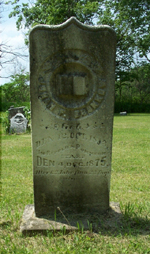
Brunkow died February 21, 1913, and Mrs. Brunkow died July 20, 1930. They are
buried at Duluth.
The family consisted of ten children, the first six born in Germany, and
the others born near Duluth. They are: August, born 1857, married Louisa
Miller, died 1926; William, born 1859, married Emilie Wege, died 1936;
Wilhelmine, born 1862, married August Kolterman, died 1953; Herman, born 1864,
married Jane Lamboley, died in Wisconsin; Ferdinand, born 1866, married Helena
Hartwick, died 1935; Pauline, born 1868, married Herman Honig, died 1956; Albert,
born 1871, married Minnie Henneberg, died 1947; Matilda, born 1873, married
Herman Teske, died 1916; Frank Edward, born 1876, died 1952; Theresa, born 1881,
married William Honig, died 1957.
OBITUARY-�BRUNKOW, WILLIAM F. (1914)��William F. Brunkow was born March 11, 1831, in Doelitz, in Pommerania, Germany. Here he grew to manhood and on June 11, 1857, was joined in holy wedlock to Karoline Zabel. ��In 1869 they set out to find a new home in America. The trip across the ocean, which is now made in a week, lasted five weeks. Upon their arrival in New York they immediately set out for the west, coming to Centralia, Kansas by rail. From here they drove to Neuchatel, where they took up a homestead of 80 acres near what is Duluth. This land cost them fifteen dollars, a small sum considering the present value of land. But there were absolutely no improvements on it, such as a house, etc., net even fences. The land had to be broken and buildings erected. But with God’s blessing and hard work all this was accomplished. Only those pioneers who have helped to develop this country can really appreciate the improvements to which we as the younger generation are already accustomed.��The farm products such as wheat, corn, etc., were hauled to Wamego at that time the nearest town. They could not follow the roads for there were none. Only perhaps the trail of other wagons which had passed there before them. ��Little did Mr. Brunkow dream at that time that later on there could be a railroad build passing only a few rods from his home. ��But these early settlers did not in all their earthly toils forget that they were only Pilgrims on this earth and that their real home was in heaven. ��Shortly after Mr. Brunkow’s arrival he and eight other neighbors, who have already all passed away before him, founded the Lutheran congregation. For a few years services were held in their houses, until in 1876 they erected a small stone building which is now used as the parochial school. ��Although it was a humble beginning they rejoiced for they now had a place of worship. And the Lord blessed their work to such an extent, that in a few years this building proved inadequate, so that a larger and more modern church building was erected.��The deceased had passed the Scriptural mark of three score and ten. At the time of his death, which occurred Saturday, February 21, he was 82 years, 11 months and 10 days of age. He leaves an aged widow and the following ten children to mourn his death: August Brunkow, of Middletown, Wisconsin; William Brunkow of Duluth, Kansas; Mrs. Aug. Kolterman of Onaga; Herman Brunkow of Lake Mills, Wisconsin; Ferdinand Brunkow of Onaga; Mrs. Herm. Honig, of Wheaton; Albert Brunkow of Wheaton; Mrs. H. F. Teske of Duluth, Frank Brunkow, of Duluth, Mrs. Wm. Honig of Onaga. One daughter died in infancy. The sons from Wisconsin had come about two weeks prior to the death of their father. ��The funeral services were conducted by Rev. A. G. Degner at the Lutheran St. Paul’s church. Despite the deep snow the church was crowded. The six sons acted as pallbearers. Interment was made at the Lutheran Cemetery at Duluth.
|


 Begivenheder for nære slægtninge
 15 Doelitz, Pom. Prussia